
When to Replace a Furnace Gas Valve Before It Fails
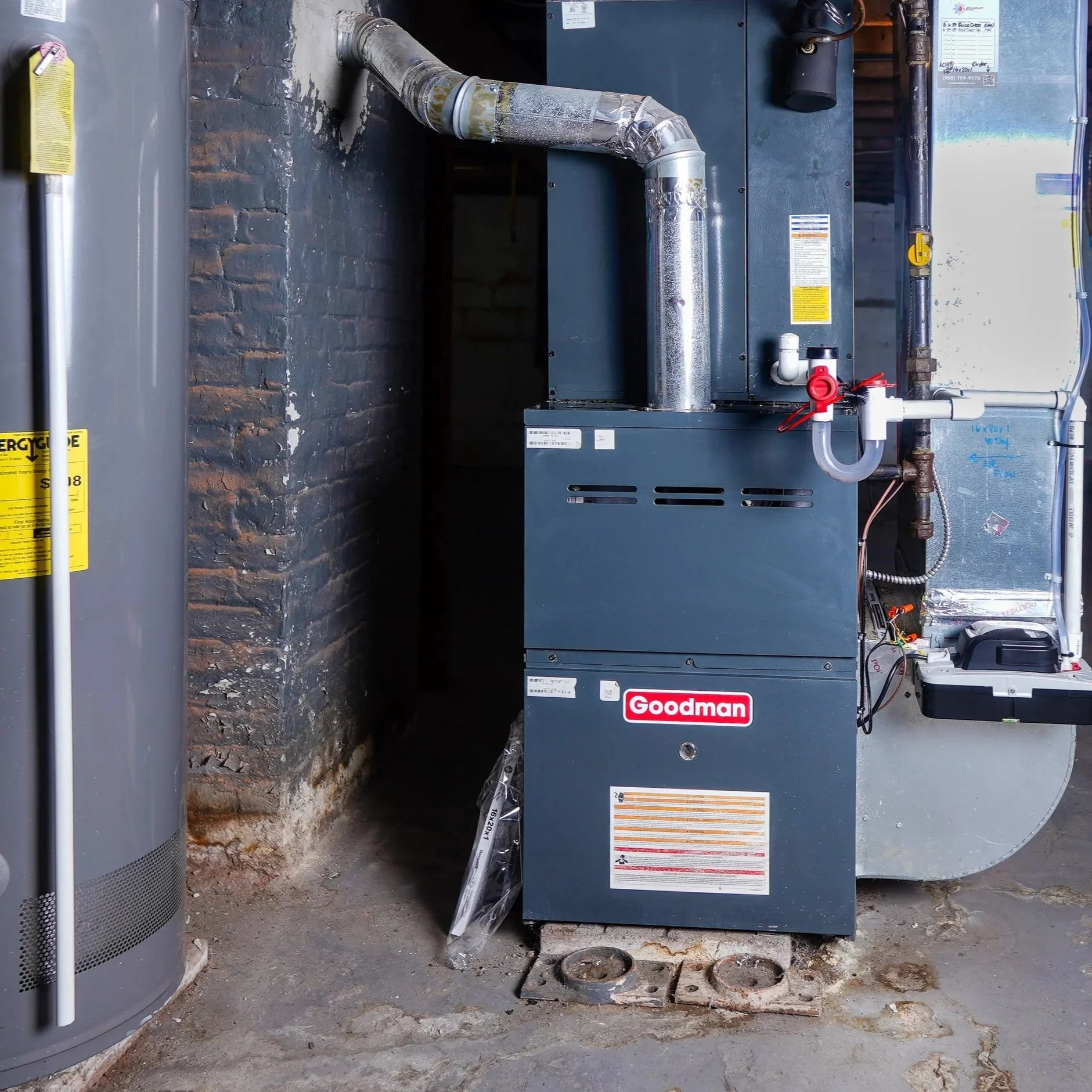
Recognizing the right time to replace the gas valve can make the difference between a quick repair and a long, cold night spent wrapped in blankets.
The gas valve is a small yet crucial component of any furnace. Tucked out of sight, it quietly regulates the flow of fuel to the burners, setting the stage for a warm, comfortable home. Without it, the furnace can't produce heat. When it starts to malfunction, things turn uncomfortable quickly. A failing gas valve doesn't usually explode dramatically—it often causes a slow decline in performance, subtle signs that many homeowners overlook until the cold sets in and the system refuses to cooperate.
Recognizing the right time to replace the gas valve can make the difference between a quick repair and a long, cold night spent wrapped in blankets. A little attention at the right time goes a long way in avoiding those middle-of-winter breakdowns.
How The Gas Valve Keeps Things Running
The gas valve's job is to control the amount of gas reaching the burners. When the thermostat calls for heat, the control board signals the valve to open, allowing gas to flow. Once the burners ignite, warm air begins moving through the ductwork. When the call for heat is stopped, the valve closes, cutting off the gas supply. It's a simple process, but one that has to happen with perfect timing every time.
The valve also includes built-in safety features. It won't open unless all systems are functioning correctly. That prevents unburned gas from filling the furnace or leaking into the home. When a gas valve starts to wear out, its safety mechanisms may begin to malfunction, or the valve may stop responding altogether.
Early Signs Of A Struggling Valve
Gas valve trouble doesn't always start with a total shutdown. It often begins with inconsistent heating. The furnace may cycle more frequently than usual or take longer to reach its heating temperature. You might hear clicking sounds without ignition or notice the system blowing cold air when it should be warming the house.
The faint smell of gas is another sign that something is amiss. A properly functioning gas valve will never allow even a small leak to occur. Any gas odor around the furnace indicates that something inside isn't sealing correctly, and that's a situation that requires immediate attention.
The thermostat may also be out of sync with the actual temperature. The system might struggle to reach the desired temperature, or the burners may not stay lit. These symptoms often stem from the gas valve not fully opening or closing when it should.
Common Causes Behind Gas Valve Issues
Like any mechanical component, gas valves wear down over time. Internal parts become corroded, connections loosen, or debris clogs up the flow. Power surges or poor electrical connections can damage the solenoids inside the valve, preventing them from responding to control signals.
Moisture, dust, and lack of maintenance only accelerate the decline. Older furnaces that have worked reliably for years may start experiencing valve issues without warning. Age alone is a solid reason to inspect the gas valve and consider replacing it before the cold puts the entire system under pressure.
When Replacement Is The Smarter Option
Some gas valve issues can be repaired by cleaning or replacing small parts, but once the valve starts acting up repeatedly, it's often smarter to replace it outright. A failing valve adds strain to the rest of the system, leads to inconsistent heating, and poses a risk to safety.
A new gas valve restores performance, improves efficiency, and brings the system back in sync with thermostat commands. When installed by a qualified technician, the replacement is straightforward and can often be done quickly, with minimal interruption to comfort.
Professional Input That Makes The Call
Diagnosing a gas valve isn't a guessing game. It takes a licensed technician who understands the electrical signals, fuel flow, and safety systems of the furnace. They'll test voltage, gas pressure, and valve responsiveness before recommending repair or replacement. More importantly, they'll confirm that the issue is with the valve—and not a related component, such as the ignitor or control board.
Technicians experienced in heating and furnace services know when a gas valve is repairable and when replacement is the most effective course of action. They also thoroughly test the new installation to verify the entire system is safe, responsive, and ready for another season of dependable performance.
Avoiding The Breakdown Before It Happens
Replacing the gas valve before it fails outright is about staying ahead of the game. It's less about reacting to disaster and more about preserving performance and comfort before either takes a hit. When cold weather moves in and the furnace becomes vital, the last thing anyone wants is a breakdown caused by a part that's been on borrowed time for too long.
Homeowners who schedule annual maintenance and closely monitor their furnace's behavior can avoid those late-night repair calls. Replacing a gas valve before failure means no skipped heat cycles, no emergency appointments, and no freezing mornings spent waiting for a technician.
The Right Fix At The Right Time
The gas valve doesn't get much attention, but it quietly keeps the whole heating system running smoothly. When it starts to falter, it's worth listening. Replacing it before total failure protects the furnace, lowers repair bills, and keeps the house warm without disruption.
With the right repair at the right time, the furnace doesn't just survive winter—it thrives in it, bringing reliable comfort when the temperatures drop and every degree of heat matters.